At the office of Gentle Dental, nurturing a confident, healthy smile for every child is our priority. Pediatric dental care is about more than treating cavities — it’s about teaching habits, monitoring growth, and creating positive experiences that set kids up for a lifetime of good oral health.

Healthy adult smiles begin with attention to the primary teeth. Early dental visits establish a “dental home” where a child becomes comfortable with the care team and families receive tailored guidance. The first visit is often short and friendly, focused on prevention, education, and answering questions about teething, cleaning, and pacifier use.
Parents and caregivers play a critical role in routine care. We help families choose age-appropriate toothbrushes and toothpastes, demonstrate gentle brushing techniques, and explain how to supervise flossing as new teeth come in. These practical skills make daily oral hygiene manageable and empower children to take ownership of their smiles as they grow.
Prevention is at the heart of pediatric dentistry. Through early exams, fluoride where appropriate, and selective use of sealants, we reduce the chances of decay taking hold. Teaching children why oral health matters — in terms they understand — helps transform brushing and flossing from chores into healthy habits that stick.
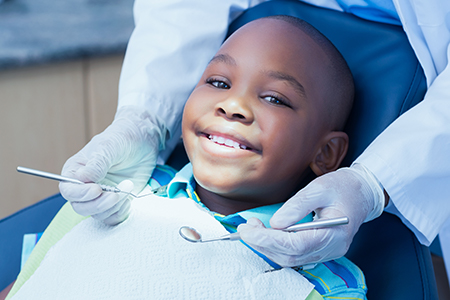
Consistent dental visits are about more than cleanings. During each exam we assess a child’s bite, jaw development, and the eruption pattern of permanent teeth. Monitoring these elements over time allows us to identify concerns early and recommend timely interventions that can prevent more complex treatment later.
Dental cleanings remove plaque and tartar that brushing can miss, and provide a chance for us to reinforce home care techniques. We also use these visits to counsel families on diet, snacking, and beverage choices that support oral health — practical steps that make a big difference in reducing cavities.
When imaging is needed, we rely on modern digital radiographs to get a clear, low-exposure view of what’s happening below the surface. These images help detect early decay, check for developmental issues, and guide decisions about sealants, orthodontic evaluation, or other preventive measures.
Tooth decay remains a common childhood condition, but it is largely preventable. We work with families to reduce prolonged exposure to sugary drinks, discourage bedtime bottles containing milk or juice, and introduce water as the primary thirst-quencher. Simple behavioral changes at home can dramatically lower a child’s risk of cavities.
Sealants are an effective, painless barrier applied on the chewing surfaces of back teeth where grooves trap food and bacteria. Applied at the right time, sealants protect permanent molars during the highest-risk years. Combined with routine fluoride use and daily brushing, they form a practical defense against decay.
Start dental care early — establish a preventive routine once the first teeth appear.
Choose gentle, age-appropriate oral hygiene tools and supervise brushing until skills are consistent.
Avoid letting infants fall asleep with milk or juice; replace those habits with water when appropriate.
Keep regular dental appointments so small issues are managed before they become bigger problems.
Model healthy habits — children learn quickly by watching parents and siblings brush and floss.
Limit sticky and sugary snacks and emphasize whole foods that support growth and oral resilience.
Help children transition away from pacifiers or thumb-sucking at the right time to support balanced development.
Make mouthguards a routine part of play for kids who participate in contact or collision sports.

The first teeth play vital roles in eating, speech development, and guiding permanent teeth into place. Many professional organizations recommend a first dental visit by the child’s first birthday or within six months after the first tooth appears. That early check allows us to review feeding habits, teething comfort measures, and safe cleaning practices.
For very young children, care often begins with a parent-led routine: wiping gums after feedings, introducing a soft toothbrush as teeth emerge, and using only a smear of fluoride toothpaste when appropriate. As children grow, we guide the transition to a pea-sized amount of toothpaste and independent brushing with supervision.
Teething can be uncomfortable but is usually manageable with gentle, non-medicated remedies. We provide practical, age-appropriate suggestions to soothe sore gums and explain when a behavior warrants a dental visit. Early reassurance and guidance help parents feel confident during these milestone stages.
A calm, supportive dental environment makes a big difference in a child’s experience. Our team uses proven behavior guidance techniques to reduce anxiety, explain procedures in child-friendly terms, and build trust. Simple strategies — from praise and distraction to step-by-step explanations — often allow most children to complete needed care without distress.
When a child has special healthcare needs or significant anxiety, we collaborate with families to design a tailored plan. That may include scheduling adjustments, extra time for appointments, or discussing safe, minimal anxiety management options so necessary care can be delivered without compromising comfort or safety.
For active kids and athletes, well-fitted mouthguards provide critical protection. We recommend custom-fit guards for children involved in organized sports to reduce the risk of dental injury. Preparing children with the right protective gear is an easy, high-impact step toward preventing accidents that can affect a smile for years.
Facial growth and tooth alignment evolve as children mature. Regular monitoring allows us to spot early signs that might benefit from orthodontic consultation. Many alignment and jaw growth concerns are easier to address when identified early, so timely evaluation often means simpler solutions later on.
We track how permanent teeth are erupting and whether space maintenance or interceptive measures are needed. If a child loses a baby tooth prematurely, for instance, a space maintainer can preserve the correct path for the succeeding adult tooth and help avoid crowding or longer treatment down the road.
Good nutrition supports both general development and oral health. Diets rich in calcium, vitamin D, and other essential nutrients strengthen teeth and supporting structures, while limiting frequent sugary snacks and beverages helps keep enamel intact. Counseling around balanced choices is part of the preventive care we provide at each visit.
Pediatric dental care is a partnership between families and the dental team — one focused on prevention, education, and timely treatment to protect growing smiles. If you have questions about your child’s dental development or would like more information about our pediatric services, please contact us for additional details and guidance.
A pedodontist is a dentist who has received advanced specialty training in meeting the dental needs of children from infancy to adolescence. Pedodontists, also referred to as "pediatric dentists," study child psychology, behavior management, caring for children with special needs, methods of handling oral/facial trauma, and various techniques for providing anesthesia and sedation. Pedodontists also understand the complexities of facial growth and development and have the clinical skills required to meet the dental needs of all children at every stage of development. Most of all, pedodontists are passionate about what they do and enjoy working with children. They strive to make every dental experience a positive one as they help children establish a strong foundation for good oral health.
Even before your child is born, their first set of teeth is already forming. In fact, by one year of age, some of your baby's front teeth will have already come into place. While the arrival of your baby's first teeth is only one of many developmental milestones, it represents an excellent time to begin a program of oral care. According to recommendations from the American Dental Association, babies should see the dentist around the time of their first birthdays.
Your baby's first teeth typically begin to appear in the 6 to 12-month range. While this is an extraordinary milestone, you need to be aware that your baby may find the experience a little bit uncomfortable. Teething can make babies feel irritable. They may be fussy, have trouble sleeping, not want to eat, and drool quite a bit.
Although you are powerless to speed up the process of teething, there are a few things that you can do to soothe your baby as the new teeth are erupting into place. Common approaches to helping your baby feel more comfortable while getting new teeth, include teething rings or a cold spoon or moist gauze rubbed over their gums.
Even for these few new teeth, it's absolutely essential to establish an effective regimen of oral care. For information on when your baby's first set of teeth will erupt into place, consult this timeline from the American Dental Association: Eruption Charts
Some children persist in sucking their thumbs or fingers beyond their preschool years. For these children, the activity continues to be a source of comfort, relaxation, and security. It may even help them fall asleep at night. However, it's essential to be aware that in the long-term, a finger sucking habit is not healthy.
If your child's thumb or finger sucking habit is still present when the permanent teeth begin to come in, your child is at a higher risk of developing a bad bite. By the age of five or six years, you need to constructively and gently help your child stop the habit.
It's also a good idea to have a comprehensive evaluation at this time. Your pedodontist can assess if there are any habit related alterations to the alignment of your child's teeth or jaws, or if it is affecting their speech or swallowing patterns. They can also discuss habit control strategies with you, as well as follow your child's bite and facial development as they grow. If interceptive appliances or corrective orthodontic care are recommended, the timetable and best options in care will be explained in complete detail.
Professional organizations commonly recommend a first dental visit by the child’s first birthday or within six months after the first tooth appears. This early visit establishes a dental home and lets the care team check for developmental concerns while parents receive guidance on feeding, teething and home cleaning. Early appointments are brief and focus on prevention, education and making the child comfortable with routine care.
At the office of Gentle Dental we use the first visit to answer questions, demonstrate gentle cleaning techniques and set expectations for future visits. Establishing this positive pattern helps children feel secure and makes it easier to introduce preventive measures like fluoride and sealants when appropriate. Regular checkups after the initial visit support ongoing growth monitoring and early intervention when needed.
Daily brushing with a soft, age-appropriate toothbrush and supervised flossing as teeth touch are the foundation of cavity prevention. Using the recommended amount of fluoride toothpaste and ensuring consistent removal of plaque help protect enamel and reduce decay risk. Establishing routines early and supervising until brushing skills are reliable keeps plaque from accumulating in hard-to-reach areas.
Dietary habits also play a major role, so limiting sugary snacks and drinks and avoiding prolonged exposure to bottles or sippy cups with juice or milk is important. Offering water between meals and choosing whole foods that support oral health can lower cavity risk. Combined with regular dental visits for exams and professional cleanings, these steps form an effective prevention strategy.
Dental sealants are a thin, protective coating applied to the chewing surfaces of back teeth to block grooves where food and bacteria collect. Sealants are painless to apply and can significantly reduce the likelihood of decay on molars that are difficult to clean with a toothbrush alone. They are most often recommended when permanent molars first erupt, during the years of highest cavity risk.
Sealants are used alongside other preventive measures such as fluoride and daily hygiene, not as a replacement for brushing and flossing. Your child’s dentist will evaluate tooth anatomy and decay risk to determine the optimal timing for sealant placement. When applied at the right time, sealants can protect permanent teeth through critical childhood years.
Topical fluoride treatments administered by dental professionals are safe and effective when used according to recommended guidelines. These treatments strengthen enamel and help reverse early signs of decay when combined with good home care and dietary practices. The dentist will recommend fluoride use based on the child’s age, cavity risk and exposure from other sources to ensure appropriate dosing.
For very young children, parents are advised to use only a smear of fluoride toothpaste and to supervise brushing to avoid swallowing. The dental team will review fluoride recommendations at appointments and answer questions about any concerns parents may have. Regular monitoring helps balance the benefits of fluoride with safe usage practices.
A calm, supportive environment and proven behavior guidance techniques make visits less stressful for many children. Staff often use tell-show-do explanations, positive reinforcement, distraction and step-by-step instructions to build trust and reduce fear. Short, predictable visits and clear expectations help children feel more secure and can prevent anxiety from escalating over time.
When a child has significant anxiety or special healthcare needs, the team works with families to create a tailored plan that may include scheduling adjustments and extra time. Open communication about prior experiences and effective coping strategies allows the dentist to adapt care to the child’s needs. In cases where additional support is required, the dentist will discuss safe, minimal anxiety management options with the family.
Common pediatric dental emergencies include severe tooth pain, a knocked-out tooth, swelling or significant bleeding after an injury. For bleeding, apply gentle pressure with a clean cloth to control it and seek dental care promptly. If a permanent tooth is knocked out, locate the tooth, handle it by the crown only, rinse briefly if dirty and try to preserve it in milk or saline while getting to the dentist immediately.
For severe pain or swelling, call the dental office so the team can advise whether to come in right away and what interim steps to take for comfort. Quick action improves outcomes for injured teeth and helps prevent complications. The dental staff can provide guidance on signs that require urgent attention and how to prepare for an emergency appointment.
Primary teeth play important roles in chewing, speech development and guiding permanent teeth into their correct positions. Missing or early-lost baby teeth can affect how a child articulates certain sounds and may influence jaw and facial growth over time. Healthy primary teeth support proper nutrition and oral muscle development that contribute to clear speech and overall growth.
If a baby tooth is lost prematurely, the dentist may recommend a space maintainer or other interventions to preserve space for the permanent tooth and reduce future orthodontic needs. Early assessment and preventive care help ensure that speech development proceeds normally. Regular dental visits allow the team to track milestones and advise on any necessary therapies or referrals.
Many dentists recommend an orthodontic evaluation by about age 7 so growth patterns and potential alignment issues can be assessed early. Signs that warrant earlier consultation include severe crowding, crossbites, large overbites or underbites and significant asymmetry in jaw development. Early evaluation does not always mean immediate treatment, but it can identify problems that are easier to guide with timely intervention.
Interceptive treatment during growth can simplify later orthodontic care and sometimes reduce the extent of future procedures. The dental team will monitor eruption patterns and refer to an orthodontist when evaluation suggests benefit from early management. Collaborative planning between the dentist, family and orthodontist helps determine the best timing for any treatment.
Home care should include brushing twice daily with a soft-bristled toothbrush and the recommended amount of fluoride toothpaste, plus flossing once teeth touch. Parents should supervise or assist brushing until a child demonstrates consistent, effective technique, typically around ages 7 to 8. Establishing a predictable routine and using positive reinforcement makes oral hygiene part of daily family life.
Limiting sugary snacks and encouraging balanced meals supports enamel health and overall development. Modeling good habits by brushing and flossing alongside your child reinforces behavior and sets expectations. For active children, a properly fitted mouthguard for sports is an important preventive step to protect teeth between visits.
Children with special healthcare needs often benefit from individualized care plans that address sensory sensitivities, communication preferences and medical considerations. The dental team works closely with parents and caregivers to develop appointment strategies such as longer visits, quiet rooms, visual supports and gradual desensitization to make care accessible. Clear, consistent communication and collaboration with other healthcare providers help ensure safe, coordinated treatment.
When appropriate, the dentist may recommend modified preventive schedules or tailored home-care techniques to match the child’s abilities. The goal is to maintain comfort while protecting oral health through prevention, education and timely treatment. Families are encouraged to share detailed medical histories and behavior strategies so the team can provide the best possible care.