4030 Hohensee Drive
Lincoln, NE 68516

gentledental.garciaandpollock@gmail.com

Invisalign®

Invisalign® clear aligners offer a contemporary approach to tooth alignment that focuses on predictable results with minimal disruption to daily life. Using a sequence of nearly invisible, custom-fit trays, this system moves teeth incrementally and quietly, so most people can continue their routines while making steady progress toward a straighter smile.

How clear aligner technology creates consistent results

At the core of modern clear-aligner care is digital planning. Advanced 3-D imaging and mapping software let clinicians visualize an entire movement sequence before treatment begins. That plan becomes the blueprint for each precisely fabricated aligner so the series of trays work together to guide teeth into their intended positions.

These aligners are fabricated from smooth, medical-grade materials engineered for comfort and controlled force. Rather than relying on wires and brackets, each tray applies gentle pressure to specific teeth. Over time—usually with a new tray introduced every one to two weeks—this controlled progression reduces movement variability while keeping the process discreet and comfortable.

Precision in manufacturing and clinical oversight are what make outcomes reliable. When a provider combines accurate digital records with careful monitoring and timely adjustments, the predicted tooth movements align closely with the final result the treatment plan shows—helping patients and clinicians see a clearer path from the initial consultation to the finished smile.

What the treatment journey looks like from start to finish

The Invisalign® process begins with a thorough clinical evaluation and a fast digital scan. Rather than traditional impressions, many practices use intraoral scanners to capture detailed 3-D images of your teeth and bite. These images are used to create a step-by-step plan that outlines how each tooth will move through the course of care.

Once the plan is approved, a series of custom aligners is manufactured to match the staged movements. Patients typically wear each set of aligners for the prescribed period—usually most of the day but removed for eating and oral hygiene. Regular follow-up appointments allow your clinician to verify progress and make any necessary refinements to keep treatment on track.

Because the entire course is planned in advance, patients often receive a visual preview of intended results. This preview helps set realistic expectations and provides a clear benchmark for progress. Throughout treatment, routine care—brushing, flossing, and maintaining good oral hygiene—remains straightforward because aligners are removable.

Advantages of choosing a removable, nearly invisible option

One of the main practical benefits of clear aligners is their removability. Removing aligners to eat and clean teeth eliminates many of the dietary and hygiene restrictions that come with fixed appliances. That convenience supports better oral health during treatment and reduces the risk of staining and plaque buildup around brackets.

Comfort is another distinguishing feature. The smooth surfaces of clear aligners mean fewer soft-tissue irritations than traditional braces, and attachments used to assist certain movements are small and strategically placed to limit interference. Many patients find the overall experience less intrusive while still achieving clinically meaningful tooth movement.

From a clinical perspective, modern aligner systems support predictable control of several types of movement, including tipping, rotation, and translation when planned appropriately. This makes clear aligners suitable for a range of alignment issues, and their gradual force application allows for an approach that balances efficiency with patient comfort.

Determining candidacy: who benefits and when to seek an evaluation

Clear aligners are an effective option for many adults and older teens with spacing, crowding, or mild to moderate bite concerns. A comprehensive assessment is essential because some complex skeletal issues or severe malocclusions may require additional orthodontic approaches or interdisciplinary treatment to achieve optimal results.

During an evaluation, your provider will review dental and medical history, examine jaw relationships and tooth position, and use diagnostic imaging to identify any limiting factors. This appointment is also the time to discuss expectations, daily routines, and any lifestyle considerations that could affect appliance wear and compliance.

At Gentle Dental, our clinicians focus on tailoring care to each patient’s oral health and personal goals. If aligners are appropriate, we’ll develop a clear plan and continue to monitor progress regularly. If not, we’ll outline alternative pathways so you can pursue the best long-term outcome for your smile.

Practical tips for everyday life during aligner care

Wearing aligners as directed is the single most important factor for successful treatment. Typically worn for most of the day, aligners should be removed only for eating and oral hygiene. When out in public, the low visibility of the trays means most people notice little difference in appearance—making aligners a discreet choice for professional and social settings.

Cleaning aligners is straightforward: rinse and brush them gently and maintain your normal brushing and flossing routine for teeth. To minimize staining and bacterial buildup, avoid long exposure to colored beverages while wearing trays and store them in a protective case when not in use. Routine dental checkups help ensure healthy teeth and gums throughout treatment.

After active alignment ends, retention is the final step. Retainers—often clear and removable—help preserve tooth position as tissues adapt. Your provider will recommend a retention schedule based on the specifics of your correction and long-term stability needs, helping to lock in the improvements achieved during active treatment.

Digital planning and a personalized aligner sequence make treatment predictable and patient-focused.

As pioneers in the field of aligner development and technology, the folks at Align Technology, Inc. gather data from millions of treated smiles to design treatment systems that:

  • Are faster, more advanced and comfortable than other options in care
  • Are able to address a broad spectrum of malocclusions ("bad bites") and teeth alignment issues
  • Allow more precise planning and control of multiple types of tooth movement

Custom-made to the exact specifications of your smile, Invisalign® clear aligners are designed to incrementally move your teeth into their correct positions over time. Simply swap-out last week's aligner for the next one in the series and watch as your smile progressively shows signs of improvement.

And, because Invisalign® clear aligners are removable for short periods of time, you can still enjoy the foods you love as well as brush and floss your teeth with ease!

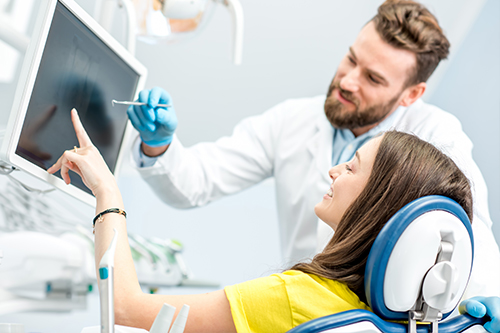
The image shows two individuals interacting with a tablet displaying an X-ray, with one person holding the tablet while another looks at it, suggesting a medical or diagnostic context.

Initial consultation and digital records

Your first appointment focuses on a careful exam and the capture of precise digital scans. These records allow your provider to evaluate alignment challenges and define an individualized plan suited to your dental anatomy.

A man in a lab coat stands next to a woman wearing a headset, both engaged with a medical monitor.

A personalized treatment map

Using the scan and diagnostic data, your clinician designs a sequential treatment map that lays out each stage of movement. This plan serves as the foundation for fabricating the custom aligner series used throughout care.

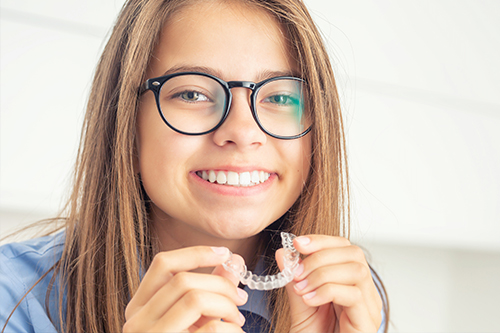
The image shows a young girl smiling at the camera while holding a toothbrush with her hand. She has glasses and appears to be indoors, possibly in an educational setting.

Precision-fit aligners made for comfort

Aligners are manufactured to match the planned tooth positions and are shaped for a snug, comfortable fit. Small, strategically placed attachments may be used to assist specific movements while keeping the profile low and unobtrusive.

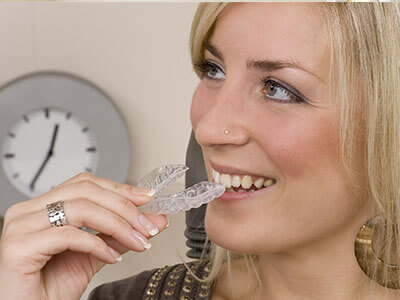
A woman with a smile, holding a small object close to her face, poses for a portrait against a brick wall background.

Ongoing care and professional support

From delivery of the first aligners through the final retention phase, your provider remains involved—monitoring progress, advising on wear schedules, and making adjustments to ensure consistent advancement toward your goals.

Educational videos and treatment walkthroughs

Watch short videos that demonstrate aligner features, care techniques, and common aspects of the treatment process.

*Invisalign® is a registered trademark of Align Technology, Inc.

A straighter, healthier smile is within reach with modern clear-aligner options. If you’d like to learn whether Invisalign® aligners are a good fit for your goals, the team at Gentle Dental can evaluate your needs and outline a care plan tailored to your oral health. Contact us for more information or to schedule a consultation.

Frequently Asked Questions

I want to straighten my teeth but I don't want metal braces. What are the alternatives?

+

There are many options for patients who want to avoid metal braces! The most popular alternative orthodontic treatment is Invisalign®, which are clear plastic aligners designed to straighten teeth. After an examination of your teeth, your dentist will determine which option is best suited to your wants and needs.

Is Invisalign® expensive?

+

According to the Invisalign® website, the cost for treatment is approximately the same as the cost for metal braces. A portion of this cost may be covered by your insurance. Please call us to set up a consultation and discuss potential payment plan options.

How does Invisalign® work?

+

The first step is to schedule a consultation with your doctor, so they can devise a treatment plan that is best suited to your individual dental needs. Once approved, you will receive your first set of aligners. Your doctor will then regularly monitor the movement of your teeth and new aligners will be ordered according to the progress made in your treatment plan.

What is Invisalign® made of?

+

Invisalign® aligners are made of clear, flexible plastic. The company received a patent for this material – SmartTrack® – to be used exclusively for Invisalign treatment purposes. These aligners are FDA approved and nearly invisible!

How long does Invisalign® treatment take?

+

Your doctor will give you an estimate regarding how long your Invisalign® treatment should take, which will depend on your specific needs. The average length of time for treatment is approximately 12-18 months. However, some patients may see results far sooner. Remember to wear your aligners exactly as instructed by your doctor to obtain the best results.

Are Invisalign® results permanent?

+

Your doctor will most likely recommend that you wear retainers following your Invisalign® treatment. This is a precaution that will prevent your teeth from shifting back to their original positioning. It is important to follow your doctor's instructions exactly to ensure long-lasting results.

How often must I wear my aligners?

+

You must wear your aligners for up to 22 hours daily. You may remove them for eating, drinking and regular oral hygiene.

Are there any restrictions to what I can eat while in treatment?

+

No. Unlike braces, you may eat whatever you like as long as you remove the aligners before eating. Prior to placing the aligners back on, it is important to brush your teeth and the aligners after you eat.

Will wearing the aligners affect my speech?

+

Like any orthodontic treatment, there is a short adjustment period. The more you speak with the aligners on, the quicker you will adjust.

Is there any discomfort with Invisalign® treatment?

+

There will be some pressure and minor discomfort for a day or two after each initial insertion. This is a sign that your teeth are moving sequentially into their final position.

Can I chew gum?

+

It is recommended that you remove your aligners prior to chewing gum as the gum will stick to the aligners.

Can I smoke with the aligners in?

+

We discourage smoking with aligners as the cigarette smoke will tend to discolor them.

How do I keep my aligners clean?

+

Brushing them with toothpaste will keep them fresh and clean.

How often do I see an orthodontist while wearing Invisalign®?

+

Regular office visits are every five to six weeks. This will ensure that your Invisalign treatment is progressing as planned.

What happens after my treatment is complete? Do I need retainers?

+

All orthodontic patients are instructed to wear their retainers at night indefinitely. Sleeping with your retainers in at night will ensure a healthy bite and maintain the new position of your teeth.

Does Invisalign work for kids?

+

Yes, if their teeth, including second molars, have grown in completely.

What is Invisalign® and how does it work?

+

Invisalign® uses a series of nearly invisible, custom-made aligners to move teeth incrementally into their intended positions. Each aligner applies gentle, controlled forces to specific teeth so movement occurs gradually and with minimal disruption to daily life. The aligners are removable for eating and oral hygiene, which helps patients maintain routines throughout treatment.

Before treatment begins, advanced 3-D imaging and digital planning map a staged sequence of movements that become the blueprint for the aligner series. Aligners are fabricated to those specifications so the planned progression matches clinical oversight as treatment advances. This combination of precise manufacturing and ongoing monitoring helps make outcomes predictable and patient-focused.

Who is a good candidate for Invisalign®?

+

Invisalign® is well suited for many adults and older teens with spacing, crowding, or mild to moderate bite concerns. Candidates should have good oral hygiene and be willing to wear the aligners for most of the day, removing them only to eat and care for their teeth. Some complex or skeletal issues may require traditional orthodontics or interdisciplinary treatment, so a professional evaluation is essential.

A thorough exam, review of dental and medical history, and diagnostic imaging help determine candidacy and any limiting factors. Your provider will discuss expectations, recommended wear schedules, and lifestyle considerations that affect compliance. When aligners are appropriate, the treatment plan is tailored to the individual’s oral health and cosmetic goals.

How long does Invisalign® treatment usually take?

+

Treatment duration depends on the complexity of the case and the specific movements required to achieve the planned result. Many patients complete active alignment within several months to about a year, while more involved corrections can take longer. Adherence to the wear schedule and timely progression through the aligner series are major factors in meeting projected timelines.

Digital planning gives patients a preview of expected milestones, but refinements are sometimes needed as treatment progresses. Providers monitor results and may prescribe additional aligners or adjustments to fine-tune tooth positions. After active alignment, a retention phase preserves the outcome and supports long-term stability.

What happens during the initial consultation for Invisalign® at Gentle Dental?

+

The first appointment begins with a comprehensive oral exam and discussion of your goals, medical history and any concerns about alignment or bite function. We capture precise digital records with an intraoral scanner and diagnostic images to create a customized treatment map that shows the planned sequence of tooth movement. This information lets you and the clinician review a visual treatment preview and set realistic expectations for progress.

During the consultation the team will explain how aligners are worn, describe potential attachments or auxiliaries, and outline the follow-up schedule. You will also learn about hygiene practices during treatment and any preparatory steps needed for optimal results. The visit provides an opportunity to ask questions and confirm that clear aligner therapy fits your lifestyle and oral health needs.

How should I care for my clear aligners?

+

Proper care starts with wearing aligners for the recommended amount of time each day and removing them only to eat, drink anything other than water, and perform oral hygiene. Rinse aligners when you remove them and clean them daily by brushing gently with a soft toothbrush and rinsing in lukewarm water; avoid hot water, which can warp the plastic. Keeping a protective case on hand prevents damage or loss when aligners are out of the mouth.

Maintain your normal brushing and flossing routine to minimize plaque buildup and staining on your teeth and aligners. Avoid colored beverages while wearing trays and clean your teeth before reinserting aligners after meals. Routine dental checkups help ensure gum and tooth health while you progress through treatment.

Can Invisalign® correct bite problems as well as straighten teeth?

+

Invisalign® can address a range of alignment and bite concerns, including many cases of crowding, spacing, and certain malocclusions when planned appropriately. Digital treatment planning allows clinicians to sequence movements that control tipping, rotation and translation for predictable correction of many issues. However, severe skeletal discrepancies or complex jaw relationships may require traditional orthodontics or combined approaches for ideal results.

When bite correction is part of the plan, clinicians may incorporate attachments, interproximal reduction or elastic auxiliaries to achieve the needed forces and tooth movements. A comprehensive assessment identifies whether aligners alone are sufficient or if additional therapies are advisable. Working with a provider who monitors progress closely ensures that bite goals are addressed safely and effectively.

Will I need attachments or other auxiliaries during treatment?

+

Attachments are small, tooth-colored bumps bonded to specific teeth to help the aligner apply targeted forces for certain movements like rotation or extrusion. They are discrete and designed to blend with teeth while improving the precision of tooth movement. Not every patient needs attachments; their use depends on the planned mechanics for each case.

In some situations, clinicians may recommend elastics, temporary anchorage, or minor enamel adjustments to support the treatment objectives. Your provider will explain the purpose of any auxiliaries and how they affect daily wear and care. Proper instruction and follow-up help ensure auxiliaries remain effective and comfortable throughout treatment.

How often will I need follow-up visits during Invisalign® treatment?

+

Regular follow-up visits let your clinician verify that tooth movement is tracking with the digital plan and address any needed refinements or concerns. Many practices schedule check-ins every four to eight weeks, though intervals can vary based on case complexity and whether remote monitoring is used. These appointments typically involve a brief clinical exam, review of progress and delivery of new aligners if appropriate.

Occasional midcourse adjustments or refinement scans may be needed to keep the plan on track, and your provider will communicate the expected timeline for those steps. Clear communication about wear time and any changes in comfort or fit helps the team make timely decisions. Routine professional oversight is a key factor in achieving predictable outcomes.

Will Invisalign® affect my speech?

+

Some patients notice a slight lisp or change in speech when they first begin wearing aligners, but most people adapt within a few days to a couple of weeks as the tongue and lips adjust. The trays sit close to the teeth but are thin and contoured to minimize interference with normal speech patterns. Practicing speaking, reading aloud and increasing wear time during the adaptation period can speed up the adjustment.

If speech changes persist beyond the expected adaptation window, your clinician can evaluate fit and comfort to rule out problems that might affect articulation. Minor trimming or adjustments are sometimes possible to improve phonetics while preserving treatment progress. Persistent or significant speech concerns should always be discussed with the provider to identify the best solution.

What happens after my Invisalign® treatment to keep my smile stable?

+

Retention is the final and essential phase of orthodontic care that helps preserve the tooth positions achieved during active alignment. Most patients receive a retainer—often a clear, removable appliance—that is worn according to a schedule individualized by the clinician to allow tissues and bone to adapt. Following the recommended retention protocol is the single most important step in protecting your long-term results.

Some patients may also be offered a fixed (bonded) retainer behind the teeth when appropriate, particularly for cases with higher relapse risk. Periodic checkups let the provider monitor retention and address any changes early. If you have questions about long-term maintenance, Gentle Dental can explain retention options and create a follow-up plan tailored to your needs.