When to Seek Urgent Dental Care
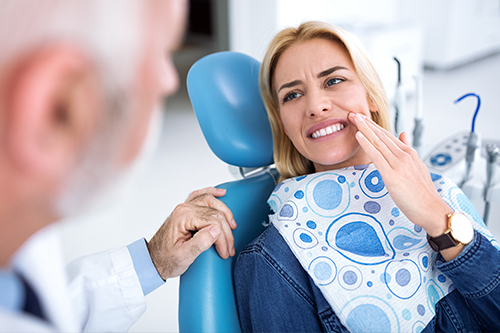
Dental problems can escalate quickly. If you experience sudden pain, heavy bleeding, a knocked-out tooth, or any swelling that affects breathing or swallowing, these are signals that immediate professional attention is needed. Prompt evaluation reduces the risk of permanent damage and often improves the chances of saving a natural tooth.
Not every toothache requires a same-day visit, but distinguishing between routine discomfort and a true emergency is important. Intense, persistent pain; fever paired with oral swelling; or trauma from a fall or sports injury warrant urgent assessment. When in doubt, it’s better to err on the side of caution and seek care right away.
The office of Gentle Dental and its clinical team prioritize rapid triage for urgent cases. Our focus is stabilizing the problem, relieving pain, and preventing complications — with patient comfort and clear communication guiding each step of care.
What to Expect During an Emergency Visit
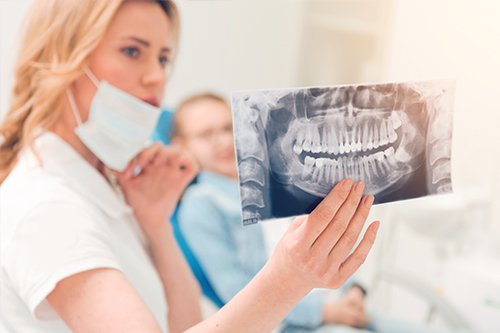
An emergency dental appointment typically begins with a quick but thorough assessment to identify the immediate concern. Our clinicians will ask about how and when the problem started, review any relevant medical history, and perform an oral exam. X‑rays or other imaging may be used to clarify the diagnosis and reveal issues not visible during a visual check.
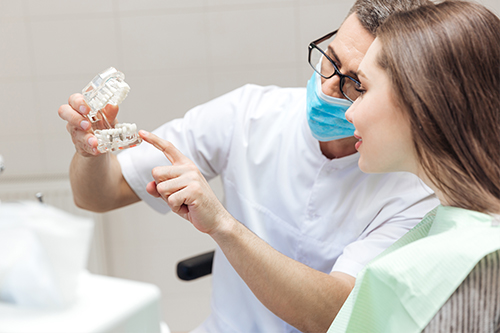
After evaluating the situation, your dental team will explain treatment priorities and the options available. Initial steps often focus on pain control and infection management: this might include gentle cleaning, temporary restorations, or prescribing medication when necessary. We aim to make the short-term plan clear so you know what to expect next.
Comfort measures are an important part of the visit. We take time to manage anxiety and discomfort through communication, gentle techniques, and appropriate local anesthesia when needed. The goal is to stabilize your condition and create a plan for definitive care that restores function and long-term oral health.
Common Dental Emergencies We Treat
Our practice handles a wide range of urgent dental problems. Some emergencies arise from sudden injury, while others develop from unchecked decay or infection. Recognizing common scenarios helps patients respond quickly and seek timely care.
- Severe toothaches and unexplained oral pain
- Chipped, cracked, or fractured teeth
- Abscesses and localized oral infections
- Loose or broken fillings and crowns
- Dislodged crowns or broken dental prosthetics
- Damaged or ill‑fitting dentures
- Impacted or problematic wisdom teeth
- Acute gum infections or severe periodontal pain
- Teeth that are loosened by trauma
- Severe swelling, bleeding, or soft‑tissue injuries
- Infections of the tongue, cheeks, lips, or other oral tissues
- Unexplained lumps, bumps, or lesions in the mouth
Each of these conditions requires a tailored response. For example, a fractured tooth that leaves the nerve exposed is managed differently than a swollen gum caused by a localized abscess. Our clinicians prioritize interventions that prevent spread of infection and preserve oral structures whenever possible.
Immediate Steps You Can Take at Home
While waiting for professional care, there are several safe first-aid measures you can take to reduce pain and limit further harm. For bleeding, apply gentle pressure with a clean gauze or cloth and keep your head elevated. Avoid vigorous rinsing, which can dislodge clots and worsen bleeding.
If a tooth has been completely knocked out, retrieve it by the crown (avoid touching the root), rinse it gently with water if dirty, and try to keep it moist — ideally by reinserting it into the socket or storing it in milk or saline until you can see a dentist. Time is critical for reattachment, so seek emergency care as soon as possible.
For a broken crown or a lost filling, keep any fragments and rinse your mouth to remove debris. If a tooth is painful, an over‑the‑counter pain reliever taken according to the product label can provide temporary relief; cold compresses applied externally can help reduce swelling. Avoid placing aspirin directly on the gums or tooth, as this can irritate oral tissues.
Swelling, fever, or spreading redness are signs of infection that require prompt dental evaluation. Do not delay seeking care if symptoms worsen or if you develop trouble breathing, swallowing, or opening your mouth — these may indicate a more serious condition that needs immediate attention.
Restorative Options and Follow-Up Care
Once the urgent issue is under control, the focus shifts to restoring function and preventing recurrence. Minor damage may be resolved with a new filling or dental bonding, while more extensive fractures often require a crown to protect the remaining tooth structure and restore chewing ability.
If an infection has reached the dental pulp, root canal therapy can often save the natural tooth by removing infected tissue and sealing the canal system. Root canal treatment has a high success rate and can be an effective alternative to extraction when tooth preservation is possible and appropriate.
In cases where a tooth cannot be saved, extraction followed by tooth replacement is commonly recommended to maintain oral function and prevent shifting of adjacent teeth. Replacement options include dental implants, fixed bridges, or removable partial dentures. Your dental team will review each option’s benefits and considerations to help you choose the best long‑term solution for your needs.
Follow-up appointments are an important part of emergency care. These visits allow clinicians to monitor healing, complete definitive restorations, and implement preventive strategies to reduce the risk of future emergencies. Coordinated post‑treatment care helps patients return to comfortable, reliable oral function with a plan for ongoing maintenance.
At every stage, our practice emphasizes clear communication and compassionate care so you understand the diagnosis, treatment choices, and expected outcomes. When urgent dental issues occur, timely attention and a thoughtful plan can make a significant difference in both comfort and long‑term oral health.
In summary, dental emergencies require quick recognition and timely professional intervention to protect your oral health. If you are experiencing a dental emergency, please contact us to learn more about how we can help and to schedule an urgent appointment.