When a cavity or small fracture threatens the structure of a tooth, contemporary composite fillings offer a way to restore both form and function without drawing attention to the repair. Made from durable, tooth-colored resin, these restorations are designed to mimic the translucency and shade of natural enamel so your smile looks seamless. The focus is on returning the tooth to its previous appearance while preserving its ability to chew and speak comfortably.
Because composite materials bond directly to the tooth, they allow dentists to rebuild teeth with a conservative approach. Rather than removing large amounts of healthy tissue to make room for a metal restoration, bonded resins can be placed in smaller increments and shaped precisely to the existing anatomy. That means less enamel removed, a more conservative restoration, and often improved long-term outcomes for the tooth.
At the office of Gentle Dental in Lincoln, NE, we prioritize materials and techniques that balance strength with esthetics. Our goal is to provide restorations that withstand daily use while remaining virtually indistinguishable from surrounding teeth. If you prefer a discreet, tooth-preserving option for treating decay, composite fillings are commonly recommended for both front and back teeth when the damage is suitable for a direct restoration.
One of the main benefits of tooth-colored composites is their esthetic flexibility. Composites are available in multiple shades and can be layered to achieve a match that blends with adjacent teeth, including subtle gradations in color and translucency. This makes them an ideal choice when appearance matters—front teeth, smile lines, or any location where a metal filling would be visible.
Beyond appearance, the bonding chemistry behind modern composites helps to seal the interface between restoration and tooth. A well-bonded filling reduces microleakage, which in turn lowers the risk of recurrent decay at the margins. Because the material adheres to both enamel and dentin, it can help distribute forces across the restored tooth and reduce the chance of fracture compared with some older restoration methods.
Composites are also mercury-free and metal-free, addressing concerns some patients have about older amalgam restorations. They can be used in a wide range of situations—from small, preventive restorations to more complex rebuilds of a single surface. When matched and finished correctly, a composite filling can provide a natural, long-lasting solution that integrates with your bite and smile.

Treatment for a composite filling is typically straightforward and can usually be completed in a single visit. The process begins with a careful examination and, if needed, digital X-rays to determine the extent of decay. Local anesthesia is used as necessary to keep the area comfortable while the dentist removes decayed or weakened material and prepares the cavity for restoration.
After preparation, the tooth is treated with a bonding agent that helps the composite adhere to the enamel and dentin. Composite resin is applied in controlled layers, with each increment shaped and then cured using a specialized light. This incremental technique allows precise control over the final contour and ensures a solid cure throughout the restoration. Once the layers are in place, the dentist fine-tunes the anatomy and polish to achieve a smooth, comfortable surface that matches your bite.
We always take time to explain each step so patients know what to expect. For those with dental anxiety, options such as sedation dentistry can be discussed ahead of time to create a calmer experience. Our team focuses on gentle technique and clear communication so the appointment is efficient, predictable, and tailored to individual comfort needs.
Right after treatment you may notice temporary numbness from the anesthetic; avoid chewing until sensation returns to prevent accidental bites on lips or cheeks. Mild sensitivity to temperature or pressure can occur for a few days as the tooth settles, but this usually diminishes quickly. If sensitivity persists or if you notice roughness or a bite that feels off, contact the practice so we can evaluate and make any needed adjustments.
Longer-term performance depends on good oral hygiene and routine dental care. Brushing twice daily with fluoride toothpaste, flossing daily, and maintaining regular professional cleanings help protect the margins of a filling and the surrounding tooth structure from future decay. While composites can be durable, they are not indestructible; avoiding persistent habits that place abnormal stress on teeth—such as chewing ice or using teeth as tools—will help extend the life of the restoration.
During periodic checkups your dentist will examine existing fillings for signs of wear, marginal breakdown, or secondary decay. Small repairs or polishing can often restore function and appearance without needing to replace the entire restoration. Early detection and regular maintenance are key to getting the most value from a composite filling while protecting your overall oral health.
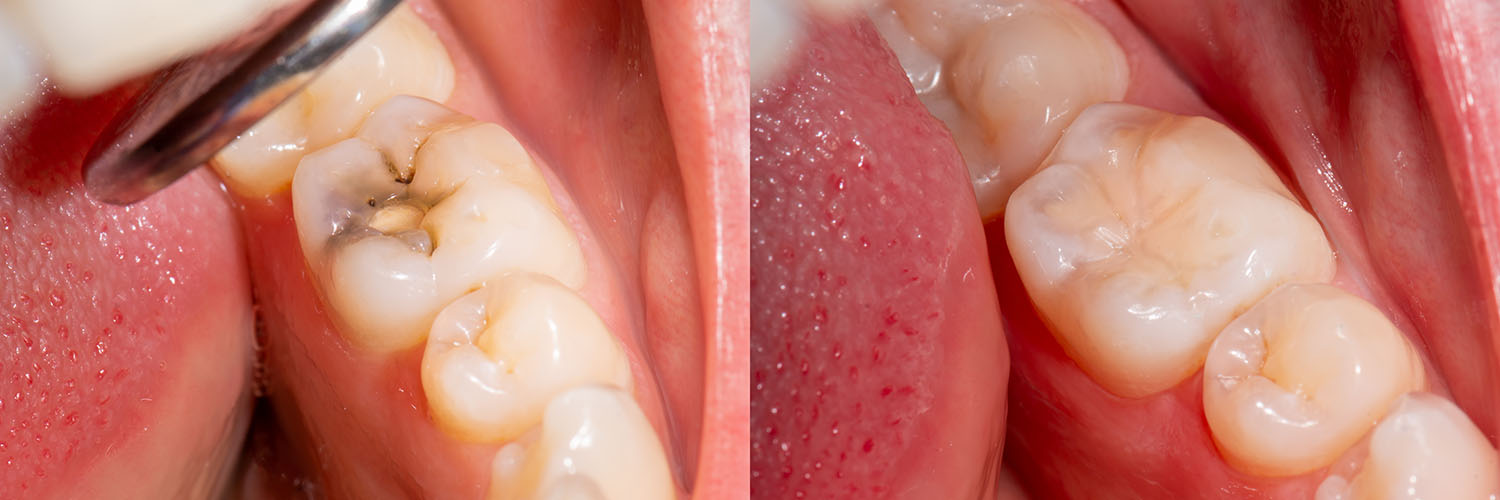
Although composites are versatile, there are cases where a filling may not be the ideal long-term solution. Large areas of decay, extensive tooth fracture, or teeth that have sustained significant structural loss may benefit more from an indirect restoration—such as an onlay, crown, or, in some situations, a laboratory-fabricated resin or ceramic piece. These alternatives can provide additional strength and protection when a direct filling would be overly thin or prone to failure.
If a tooth requires more substantial work, your dentist will explain the reasoning and outline the options, including the benefits and expected longevity of each approach. Treatment planning considers functional needs, esthetic goals, and the preservation of surrounding tooth structure. Restorative decisions aim to balance minimal invasiveness with the durability needed to prevent future problems.
Should you need a more extensive restoration, careful coordination between the clinical and lab processes helps ensure a precise fit and natural appearance. If a repair is recommended, your care plan will include follow-up steps and what to expect during subsequent appointments so you can make informed choices about your oral health.
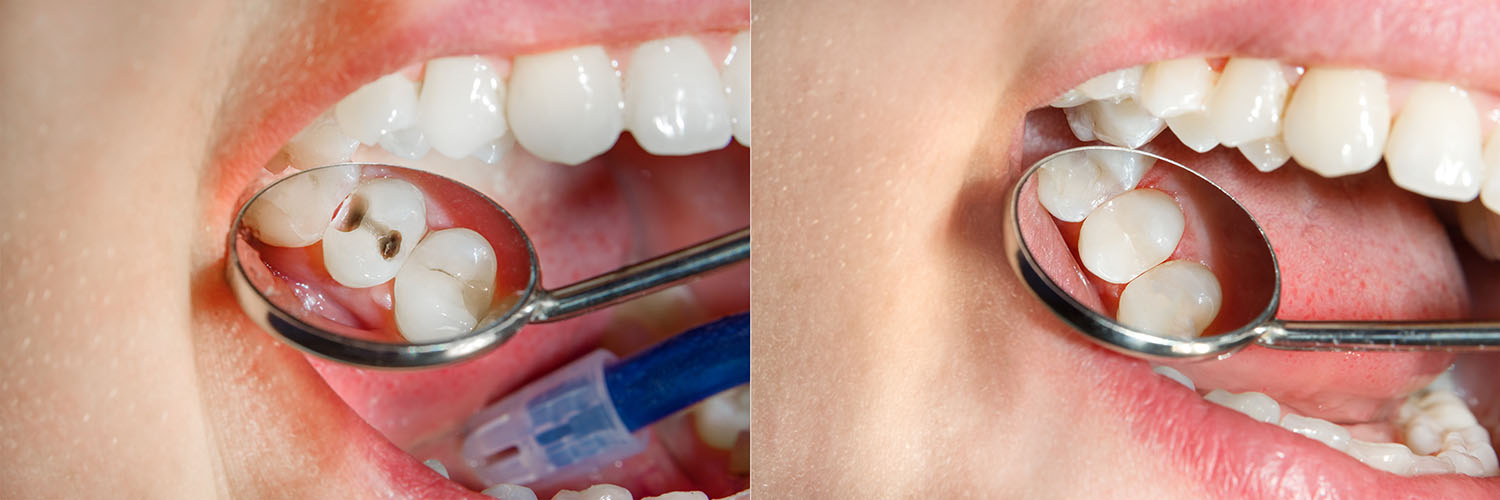
We aim to restore teeth in a way that looks natural, preserves healthy structure, and supports long-term function. If you have questions about composite fillings, alternatives, or the best approach for a specific tooth, our team is ready to help you understand the options.
Summary: Tooth-colored composite fillings provide a conservative, esthetic way to repair teeth affected by decay or minor damage. They bond to natural tooth structure, can be shaped to match your smile, and—when cared for—offer many years of dependable service. If you’d like to learn whether a composite filling is the right choice for you or to discuss alternatives for a heavily damaged tooth, please contact us for more information.
If the pleasure of eating a delicious bowl of ice cream or sipping a soothing cup of tea gets overshadowed by dental pain that makes you wince; it's time to contact our office. As skilled providers of care, we'll determine what's causing your discomfort and perform the treatment required to alleviate your symptoms and get you back on the road to oral health.
Cavities develop because of an infectious process that causes progressive damage to tooth structure. Despite starting as a pinpoint defect on the outermost enamel layer of your tooth, untreated dental decay progressively compromises more and more healthy tooth structure as it works its way to the inner layers of your tooth.
Yes, you can still develop tooth decay on other surfaces of the tooth, around the margins of an old filling, or in fewer instances, recurrent decay underneath it. For this reason, it's essential to maintain excellent oral hygiene, a diet low in sugary beverages and sweets, and be sure to visit our office for routine checkups and care. While tooth decay is second only to the common cold in frequency, it's almost entirely preventable.
We value the time and comfort of our patients. If cavities are located on adjacent teeth, or in the same section of your smile, it may be possible to treat more than one tooth during your visit. However, how much is done each visit depends on several factors. We keep our patients well informed and tailor every treatment plan and visit to address their unique needs.
Addressing concerns on the presence of elemental mercury in silver fillings, the American Dental Association (ADA), The Center for Disease Control and Prevention (CDC), the FDA, and the World Health Organization have all stated that amalgam restorations do not pose a risk to health. However, individuals with allergies or sensitivities to the metals in dental amalgam are advised to pursue other restorative options.
Dental fillings are performed under local anesthesia to help ensure your comfort throughout the entire procedure. The involved tooth remains completely numb for the extent of your visit. Within one or two hours after the procedure is completed, the local anesthetic will gradually wear off, and normal sensations return.
A tooth-colored composite filling is fully hardened and set by the end of your visit. However, we may advise you to wait a couple of hours until the local anesthesia has completely worn off. This advice is to help ensure you don't accidentally bite your lip, cheek, or tongue while still numb.
The lifetime of a dental filling varies depending on the type of material used. While popular dental materials can last a decade or more with proper care, they can degrade over time, wear down, or even break. When this happens, you may experience some tooth sensitivity, a jagged edge, or a loose or dislodged piece of filling material. Whatever the case may be, it's essential to get the filling replaced before the tooth sustains further damage or other consequences arise. Beyond taking good care of your smile to help ensure the longevity of your fillings, our office regularly checks the status of your existing fillings as part of a routine checkup exam.
Dental fillings are an essential investment that serves to preserve and protect the health of your smile. With that said, how much a filling costs depends on the number of surfaces of the tooth involved and the filling material that is used. Amalgam restorations are the most economical. While tooth-colored composite fillings have a slightly higher cost, they offer the added benefits of being metal-free and much more aesthetically pleasing. Ceramic fillings, inlays, and onlays are more expensive than the preceding options but provide outstanding, long-lasting, and natural-looking results.
Dental insurances typically cover the cost of dental fillings. While we work with you to maximize your insurance benefits, there may still be an out-of-pocket expense. At the office of Gentle Dental, we strive to help you begin care without any additional financial stress or delay.
Tooth-colored composite fillings are restorations made from a resin material that is shaded and finished to resemble natural enamel. They repair areas affected by decay or minor fractures while maintaining the tooth's appearance and function. Because the material is translucent, it blends with surrounding teeth for a seamless result.
Composite resins bond directly to enamel and dentin, which allows the dentist to remove less healthy tooth structure during preparation. These restorations are typically placed in incremental layers and sculpted to restore the tooth's original contour and occlusion. Composite fillings are commonly used for both anterior and posterior teeth when the remaining structure is sufficient for a direct restoration.
One primary advantage of bonded composites is their esthetic flexibility; they come in multiple shades and can be layered to match subtle variations in color and translucency. This makes them especially useful where appearance matters, such as front teeth or visible smile lines. When properly finished, a composite filling can be difficult to distinguish from natural enamel.
Beyond esthetics, modern bonding systems help seal the interface between the restoration and the tooth, reducing the risk of microleakage and recurrent decay. Because the material adheres to both enamel and dentin, it can help distribute chewing forces and reduce the likelihood of fracture compared with some older techniques. Composites are also mercury-free and metal-free, addressing concerns some patients have about amalgam restorations.
A composite filling appointment usually begins with a clinical exam and, if needed, digital X-rays to evaluate the extent of decay or damage. Local anesthesia is used as required to keep the area comfortable while the dentist removes decayed or weakened tissue and prepares the cavity. Preparation is conservative because the composite bonds to tooth structure, allowing more healthy enamel to remain.
After preparation the tooth is treated with a bonding agent and composite resin is placed in incremental layers, with each layer cured by a specialized light to ensure a complete set. The dentist sculpts and polishes the filling to restore proper anatomy and a comfortable bite, and adjustments are made as needed before you leave. If dental anxiety is a concern, sedation options can be discussed with the office of Gentle Dental in Lincoln, NE to help make the appointment more comfortable.
Right after treatment you may experience temporary numbness from local anesthesia, so avoid chewing until sensation returns to prevent biting the lips or cheeks. Mild sensitivity to hot, cold, or pressure is common for a few days as the tooth settles, but this typically subsides quickly. If sensitivity persists beyond a week or if the bite feels uneven, contact the office for an evaluation.
In the short term, stick to gentle foods and avoid habits that place abnormal stress on the restoration, such as chewing ice or using teeth as tools. Maintain good oral hygiene by brushing twice daily with fluoride toothpaste and flossing daily to protect the margins of the filling. Regular professional checkups allow your dentist to monitor the restoration and make small adjustments or repairs if needed.
The lifespan of a composite filling depends on factors such as the size and location of the restoration, your bite, and oral hygiene habits. With proper care, composites can last many years, but they are subject to wear, staining, and gradual breakdown at the margins over time. Hard or repetitive forces, such as grinding or chewing hard objects, can shorten a filling's serviceable life.
Routine dental examinations let the dentist detect early signs of wear or secondary decay so minimally invasive repairs can be made before full replacement is necessary. Small chips or roughness can often be smoothed or patched without removing the entire restoration, preserving natural tooth structure. Preventive strategies such as night guards for bruxism or occlusal adjustments can help extend the longevity of restorations.
Composite fillings are suitable for both front and back teeth when the area of damage is small to moderate and enough tooth structure remains to support a direct restoration. Their esthetic properties make them the material of choice for visible surfaces, while modern formulations provide improved strength for posterior use. However, very large cavities or extensive structural loss may exceed the mechanical limits of a direct composite.
When a tooth has lost significant structure or when multiple surfaces need restoration, indirect options such as onlays or crowns may offer greater durability and protection. Your dentist will assess the amount of remaining tooth structure and discuss the most conservative yet long-lasting option. Treatment planning balances preservation of healthy tissue with the functional demands the tooth will face.
Small defects at the margin of a composite filling, minor staining, or localized breakdown can often be repaired directly without removing the entire restoration. Repairing a filling preserves more natural tooth structure and can be a conservative alternative when conditions allow. The dentist will evaluate the integrity of the bond and the extent of decay before recommending repair.
Full replacement may be advised when there is recurrent decay beneath the restoration, a large fracture, or when the filling has reached the end of its useful life. During periodic checkups the dentist examines fillings for marginal gaps, wear, and secondary decay to determine the best course of action. Decisions about repair versus replacement consider long-term function and the goal of preserving healthy tooth material.
Composite resins can pick up superficial stains from foods, beverages, and tobacco over time, particularly on polished surfaces. Although composites are more stain-resistant than early formulations, they are not immune to discoloration and may darken slightly with prolonged exposure to staining agents. Professional polishing during regular dental visits can help remove surface stains and restore shine.
You can reduce staining by minimizing frequent consumption of highly pigmented foods and drinks, rinsing with water after meals, and maintaining a consistent oral hygiene routine. If a filling shows intrinsic discoloration or widespread staining that affects appearance, the dentist can evaluate whether a repair or replacement is the best option. Regular cleanings also keep surrounding enamel healthy, which improves the overall esthetic result.
Composite fillings are mercury-free and have been used safely in dentistry for decades; they are composed of a resin matrix and inorganic filler particles. Most patients tolerate these materials well, and clinical studies support their use for a wide range of restorative applications. The practice follows standard infection-control and material-handling protocols to ensure safe placement.
Allergic reactions to composite materials are rare but possible, so if you have a history of material sensitivities, tell your dentist so alternatives can be considered. For patients with concerns about biocompatibility, the team at Gentle Dental can review alternative materials and the scientific evidence behind each choice. Informed consent and open communication help ensure that the selected restoration aligns with your health needs and preferences.
Deciding between a direct composite filling and an indirect restoration depends on the extent of decay, the amount of remaining tooth structure, and functional demands such as biting forces. When the defect is large or involves multiple surfaces, an indirect solution like an onlay or crown fabricated in a laboratory may provide greater strength and longevity. The dentist evaluates structural needs as well as esthetic goals when recommending a course of treatment.
Indirect restorations preserve and reinforce teeth by covering weakened areas and distributing occlusal forces more evenly than a thin direct filling. Treatment planning may include impressions or digital scans, material selection, and coordination with a dental laboratory when needed to achieve a precise fit and natural appearance. Your dentist will explain the benefits and anticipated maintenance for each option so you can make an informed decision.